
The tattoo industry has exploded over the past two decades. An estimated 30–40% of Canadians have at least one tattoo — and a significant portion of them will want it removed, modified, or faded at some point in their lives. That creates a massive, growing, and largely underserved market for skilled laser tattoo removal technicians.
If you’re looking for a career in aesthetics with exceptional earning potential, a clear path to selfemployment, and demand that far exceeds the supply of qualified practitioners — laser tattoo removal deserves your serious attention.
How Big Is the Laser Tattoo Removal Market?
The global laser tattoo removal market was valued at over USD $5 billion and is projected to grow at roughly 12–15% annually through 2030. In Canada, the combination of high tattoo prevalence and growing demand for aesthetic procedures is driving strong, sustained demand for qualified technicians in every major city — including Calgary. Unlike many beauty services that are saturated, laser tattoo removal remains an underserved specialty. There are far more people seeking treatment than there are qualified, properly trained technicians available to provide it.
What Does a Laser Tattoo Removal Technician Earn?
This is where the numbers become compelling.
Employed technician: $35–$60+/hour in a clinical or medispa setting, depending on experience and location. Many positions also include performance bonuses tied to client bookings.
Self-employed technician: The earning potential scales dramatically. A single laser tattoo removal session typically costs $150–$500+ depending on the size and complexity of the tattoo. Most tattoos require 6–12 sessions to fully remove — meaning a single client generates $900– $6,000+ in lifetime revenue.
A technician with a modest independent practice — 4–6 clients per day, 4 days per week — can generate $150,000–$300,000+ in annual revenue, with strong profit margins given the relatively low consumable costs of laser treatments.
Why Is the Income Potential So High?
Several factors combine to make laser tattoo removal uniquely lucrative:
1. Repeat business is built in. Unlike a haircut or a facial, tattoo removal requires multiple sessions. Every new client is a guaranteed revenue stream of 6–12 appointments minimum. Client lifetime value is exceptionally high.
2. The service commands premium pricing. Clients come to laser tattoo removal with a specific, urgent need. Price sensitivity is lower than in many other aesthetic services — people want their tattoo removed and they’ll pay for qualified, safe treatment.
3. Supply of qualified technicians is limited. Proper laser training requires access to professional-grade equipment and qualified instructors. Many markets — including Calgary — have significantly more demand than trained supply. This keeps pricing strong and makes skilled technicians highly employable.
4. Equipment costs are a one-time investment. Once a premium laser system is acquired, the ongoing cost per treatment is minimal. The Lutronic Hollywood Spectra and similar professional systems are built to perform thousands of treatments — making the return on investment extremely strong for clinic owners.
5. The client demographic is broad and growing. Tattoo removal clients range from professionals seeking career advancement, to people removing names of former partners, to individuals updating older work. The demographic is wide, the reasons are personal and urgent, and word-of-mouth referrals are strong.
What Does a Day in the Life Look Like?
A laser tattoo removal technician’s day typically involves:
- Conducting client consultations and skin assessments
- Reviewing contraindications and medical history
- Calibrating the laser for each client’s skin type and ink colour
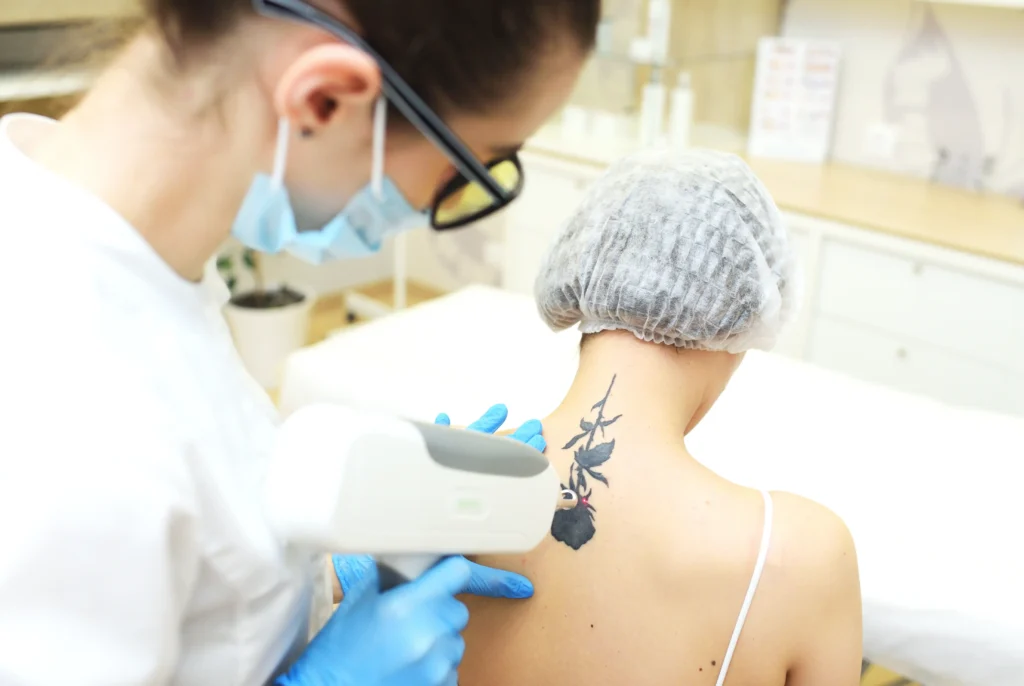
- Performing treatment sessions (typically 15–45 minutes each)
- Providing aftercare instructions and booking follow-up appointments
- Maintaining treatment records and equipment logs
It’s precise, technical, and results-driven work — with the satisfaction of watching a client’s tattoo fade session by session.
The Path to Your Own Laser Studio
Many laser tattoo removal technicians start employed at a medispa or clinic, build their client base and technical skills, and then transition to running their own independent laser studio within 2–4 years. The startup costs are manageable, the ongoing overhead is low, and the demand is consistent.
NIWE Academy’s business training — included in all diploma programs — specifically prepares graduates for this entrepreneurial path, covering pricing strategy, client acquisition, Alberta business licensing, and financial planning.
How to Get Started
The first step is getting properly trained on professional-grade equipment. At NIWE Academy, our Advanced Laser Technician program includes hands-on training on two professional-grade systems — the Lutronic Hollywood Spectra for tattoo removal and skin rejuvenation, and the Cynosure Elite+ for hair removal, vascular treatments, and advanced skin therapies. You’ll graduate with the technical knowledge, hands-on experience, and certification needed to work in any professional clinical setting — or launch your own practice.
The market is growing. The demand is real. And the earning potential is exceptional for practitioners who invest in the right training from the start.
Book a Campus Tour → https://learn.niwe.ca/book-a-tour-niwe-academy